




2026 ICHA

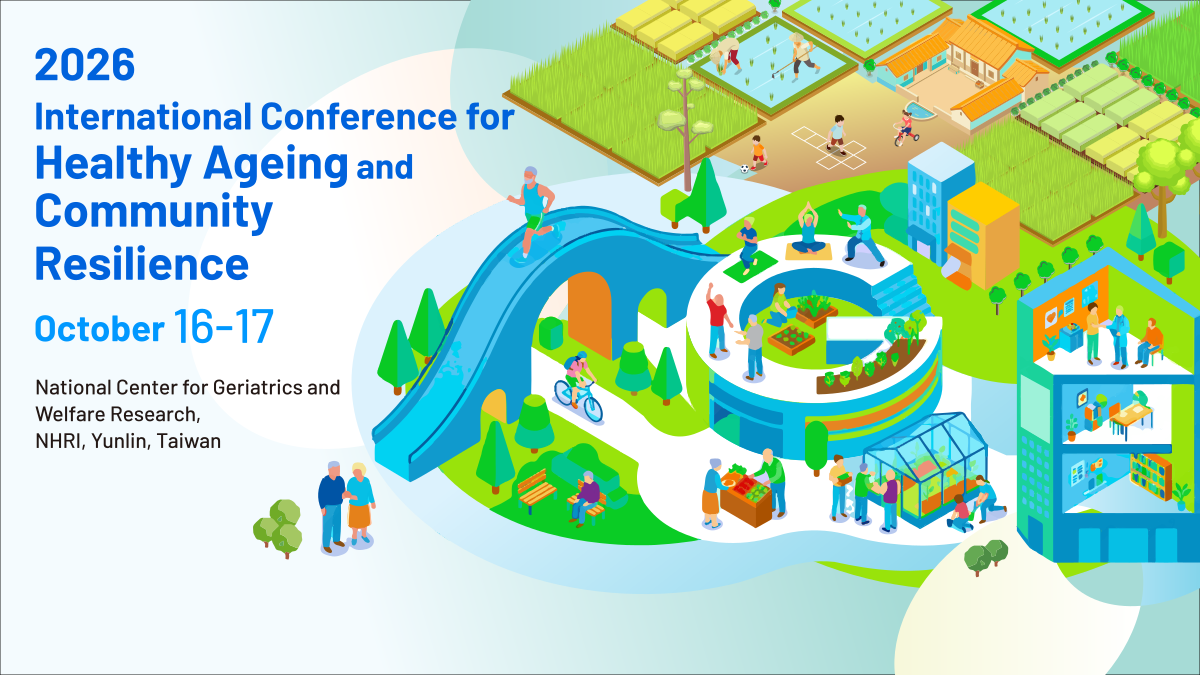
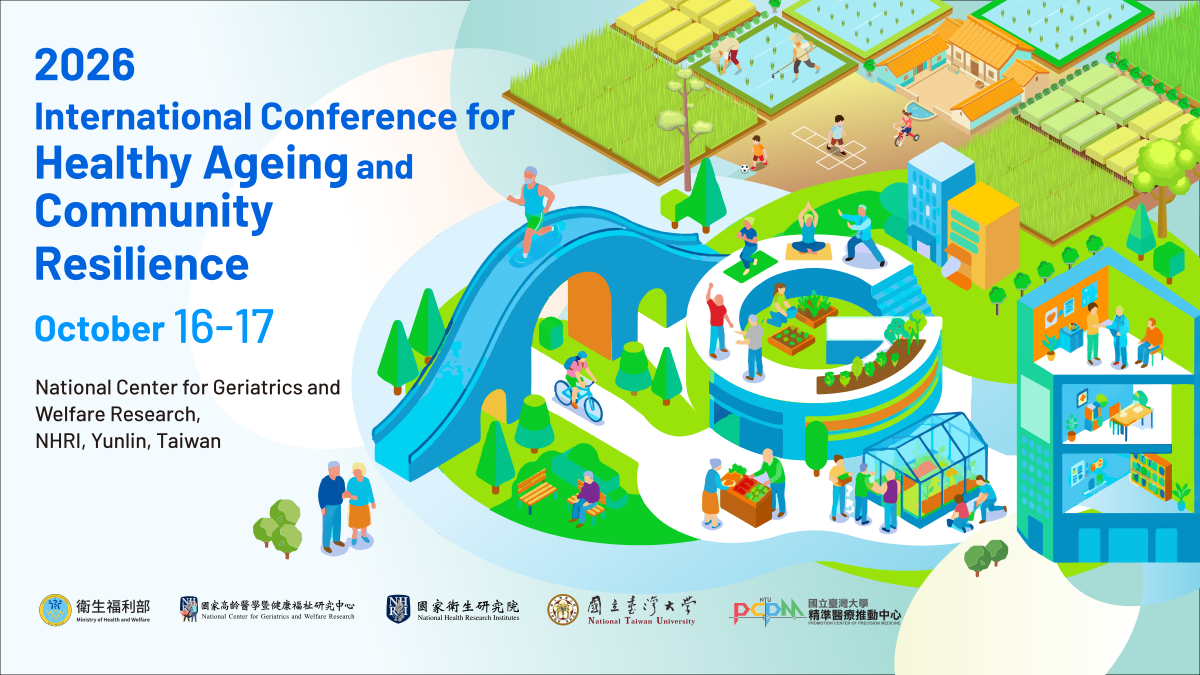
Welcome to the 2026 International Conference for Healthy Ageing and Community Resilience

We are pleased to welcome you to the 2026 International Conference for Healthy Ageing and Community Resilience, to be held on October 16–17, 2026, at the National Health Research Institutes (NHRI), Taiwan.

Building Resilient Communities for an Ageing World

As societies around the world continue to age, the meaning of healthy ageing has expanded beyond the prevention of disease and disability. It now calls for a broader vision—one that supports older adults to live well, remain connected, maintain intrinsic capacity, and continue participating meaningfully and joyfully in their communities.

In super-aged societies, resilience is not only an individual capacity. It is also a shared responsibility of health systems, long-term care services, families, communities, and policy structures. Older adults may face frailty, falls, multimorbidity, polypharmacy, cognitive decline, loneliness, caregiver burden, and social vulnerability. These challenges cannot be addressed by clinical care alone. They require integrated, person-centered, and community-based approaches that bridge hospitals, long-term care, social care, rehabilitation, medication safety, nutrition, mental wellbeing, and ageing-in-place support.

Community resilience therefore represents a new frontier in healthy ageing. It reflects the ability of communities to anticipate needs, coordinate care, support caregivers, reduce preventable risks, and create environments where older people can live safely, joyfully, and with dignity.

NHRI’s Commitment to Healthy Ageing and Community-Based Innovation

To lead national efforts in ageing research and policy development, the National Health Research Institutes established the National Center for Geriatrics and Welfare Research as a hub for interdisciplinary research, implementation science, and evidence-informed policy translation.

Each year, the Center organizes international conferences on critical issues related to ageing societies. These gatherings bring together researchers, clinicians, public health professionals, community leaders, and policymakers to exchange knowledge, share innovative care models, and explore practical solutions for healthy longevity and sustainable ageing systems.

The 2026 conference continues this mission by focusing on how integrated care, social innovation, and community resilience can help older adults age well in place.

Focus of the 2026 Conference

This year’s conference highlights the theme of Healthy Ageing and Community Resilience, with a particular focus on the integration of clinical care, long-term care, community-based services, and social support systems.

Key themes include:

  • Bridging Hospital and Long-Term Care
    Exploring how integrated care models can connect medical systems, rehabilitation, long-term care, and community services to better support older adults in super-aged societies.

  • Supporting Caregivers and Community Wellbeing
    Recognizing the essential role of family caregivers, older carers, and community networks in sustaining wellbeing, independence, and dignity in later life.

  • From Risk Prevention to Resilience
    Addressing fall prevention, medication safety, frailty, functional decline, nutrition, and sustainable community health through evidence-based and person-centered approaches.

  • Intrinsic Capacity, ICOPE, and Ageing in Place
    Discussing how the WHO ICOPE framework and intrinsic capacity-centered care can be implemented across settings, from hospitals to primary care and communities.

  • Social Innovation and Social Prescribing
    Learning from international experiences in social prescribing, Blue Zone-inspired models, joyful care, and smart mutual-supporting co-living communities.

  • Wellbeing, JOY, Meaning, and Micro-Happiness in Later Life
    Reframing ageing care through joy, mindfulness, dementia-friendly support, person-centered care, and the pursuit of meaningful later life.

Distinguished experts from Taiwan, Japan, Australia, the United States, Canada, Singapore, and France will share their latest research, policy innovations, and practical experiences. The program features keynote speeches and expert panels on Japan’s integrated care experience, community rehabilitation for older carers, medication safety and fall prevention, frailty and resilience, Joyspan, social innovation, social prescribing, ICOPE implementation in France, indigenous community care, smart co-living communities, nutrition, mindfulness, and dementia wellbeing.

By bringing together global leaders across disciplines, this conference offers a valuable opportunity to engage with pioneering research, innovative models of care, and collaborative approaches to the challenges of ageing societies. Whether you are a researcher seeking international collaboration, a clinician aiming to strengthen integrated care delivery, a community practitioner developing ageing-in-place services, or a policymaker exploring sustainable solutions, this conference provides a rich platform for dialogue, learning, and partnership.

Join Us

We warmly invite researchers, clinicians, public health professionals, long-term care leaders, community practitioners, and policymakers to join us in advancing the science and practice of healthy ageing and community resilience.

Together, we can help build communities where older adults are not only cared for, but also connected, empowered, and supported to live fully.

We look forward to welcoming you to Taiwan this October!

Agenda of the 2026 ICHA

Keynote Speakers

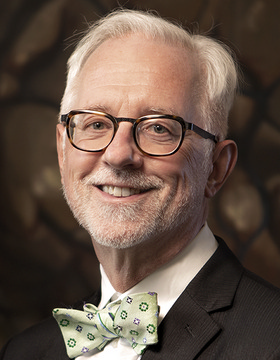
Hidenori Arai, M.D. Ph.D.  🇯🇵

President, National Center for Geriatrics and Gerontology
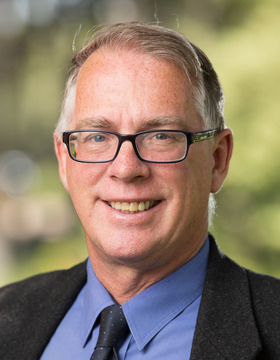
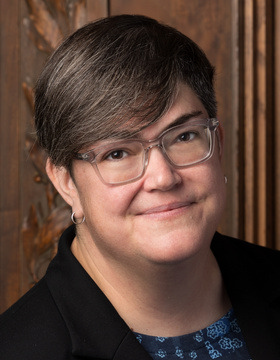
Keith Hill (Professor), PhD. 🇦🇺

Senior Researcher, Monash University, Australia

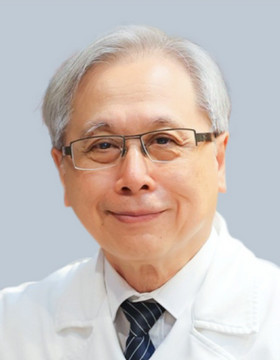
Shelly Gray, PharmD, MS.  🇺🇸

Professor, University of Washington

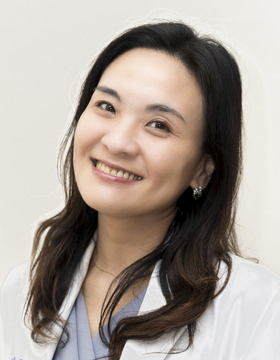
Kenneth Rockwood, PhD.  🇨🇦

Professor, Dalhousie University, Canada
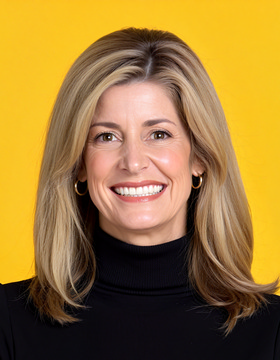
Kerry Burnight, PhD    🇺🇸

Distinguished Professor, University of Chicago
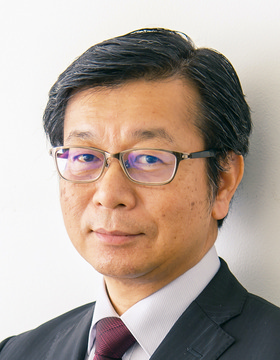
Katsunori Kondo/近藤克則 🇯🇵

Professor, Chiba University, Japan

Kate Mulligan, PhD    🇨🇦

Associate Professor, University of Toronto
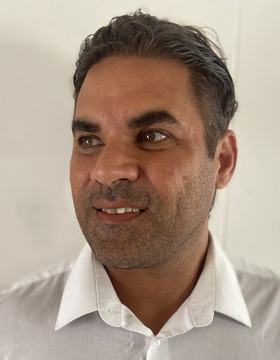
Prof. Yik Ying Teo
Prof. Yik Ying Teo (張毅穎)  🇸🇬

Vice-President (Global Health), National University of Singapore; Dean, Saw Swee Hock School of Public Health, National University of Singapore and National University Health System, Singapore.

Prof. Mara Mather
Prof. Mara Mather     🇺🇸

Professor, University of Southern California, USA.

Prof. Dilip V. Jeste
Prof. Dilip V. Jeste      🇺🇸

Director, Global Research Network on Social Determinants of Mental Health and Exposomics, La Jolla, CA, USA.

Prof. Diego de Leo
Prof. Diego de Leo      🇮🇹

Emeritus Professor of Psychiatry, Griffith University, Brisbane, Australia.
(Top Italian Scientist in Neurosciences & Psychology)
Director Emeritus of the World Health Organization (WHO) Collaborating Centre for Research and Training in Suicide Prevention.

Prof. Tomi Laitinen     🇫🇮

Chief Physician, FinnHealth, Finland.

Prof. Shu-Sen Chang
Prof. Shu-Sen Chang(張書森)🇹🇼

Director, Institute of Health Behaviors and Community Sciences, College of Public Health, National Taiwan University, Taiwan.

Symposia Speakers

Dr. Chi-Shin Wu(吳其炘)   🇹🇼

Investigator, National Center for Geriatrics and Welfare Research, National Health Research Institutes, Taiwan.
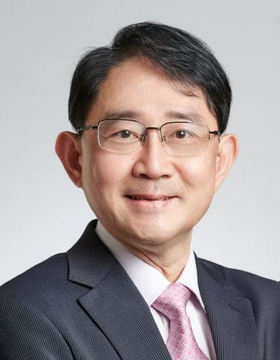
Dr. Chi-Shin Wu(吳其炘)   🇹🇼

Investigator, National Center for Geriatrics and Welfare Research, National Health Research Institutes, Taiwan.
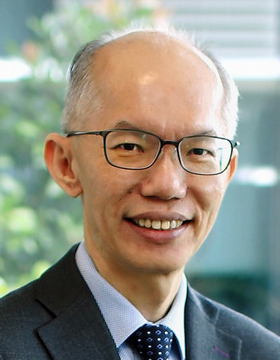
Dr. Chi-Shin Wu(吳其炘)   🇹🇼

Investigator, National Center for Geriatrics and Welfare Research, National Health Research Institutes, Taiwan.

Dr. Chi-Shin Wu(吳其炘)   🇹🇼

Investigator, National Center for Geriatrics and Welfare Research, National Health Research Institutes, Taiwan.

Dr. Chi-Shin Wu(吳其炘)   🇹🇼

Investigator, National Center for Geriatrics and Welfare Research, National Health Research Institutes, Taiwan.

Dr. Chi-Shin Wu(吳其炘)   🇹🇼

Investigator, National Center for Geriatrics and Welfare Research, National Health Research Institutes, Taiwan.

Dr. Chi-Shin Wu(吳其炘)   🇹🇼

Investigator, National Center for Geriatrics and Welfare Research, National Health Research Institutes, Taiwan.

Dr. Chi-Shin Wu(吳其炘)   🇹🇼

Investigator, National Center for Geriatrics and Welfare Research, National Health Research Institutes, Taiwan.

Dr. Chi-Shin Wu(吳其炘)   🇹🇼

Investigator, National Center for Geriatrics and Welfare Research, National Health Research Institutes, Taiwan.

Dr. Wan-Ju Cheng(鄭婉汝) 🇹🇼

Associate Investigator, National Center for Geriatrics and Welfare Research, National Health Research Institutes, Taiwan.

Dr. Min-Jeong AN
Dr. Min-Jeong AN      🇰🇷

Professor, Chonnam National University College of Nursing, Korea.

Dr. Yukiko Nishita
Dr. Yukiko Nishita      🇯🇵

Associate professor, National Center for Geriatrics and Gerontology, Japan.

Prof. Ryuta Kawashima
Prof. Ryuta Kawashima   🇯🇵

Professor, Tohoku University, Japan.

Prof. James H-Y. Tai
Prof. James H-Y. Tai(戴浩一) 🇹🇼

Director, Institute of Linguistics of National Chung Cheng University, Taiwan.

Dr. Juan Helen Zhou
Dr. Juan Helen Zhou     🇸🇬

Associate Professor, National University of Singapore, Singapore.

Prof. Yong-Kyun, Roh    🇰🇷

Professor, Department of Family Medicine, Hallym University, Korea.

Ms. Kitaguchi Michiko
Ms. Kitaguchi Michiko    🇯🇵

Director, Kaga City Citizens Health Department, Japan.

Prof. Yuan-Han Yang
Prof. Yuan-Han Yang(楊淵韓)🇹🇼

Director, Neuroscience Research Center, Kaohsiung Medical University, Taiwan.

Prof. Naoki Shirasaki
Prof. Naoki Shirasaki    🇯🇵

Medical Doctor, Kaga Medical Center, Japan.

Prof. Jean Woo
Prof. Jean Woo       🇭🇰

Professor, The Chinese University of Hong Kong, Hong Kong.

Dr. Kenneth Yong      🇸🇬

Associate Consultant, Department of Geriatric Medicine, Tan Tock Seng Hospital, Singapore.

Dr. Jen-Hau Chen
Dr. Jen-Hau Chen(陳人豪) 🇹🇼

Director, Department of Geriatrics and Gerontology, National Taiwan University Hospital Yunlin Branch, Taiwan.

Prof. Wee Shiong Lim
Prof. Wee Shiong Lim    🇸🇬

Director, Institute of Geriatrics and Active Aging, Tan Tock Seng Hospital, Singapore.
  • Registration site:
     https://forms.gle/Bb2HLScDKB4XShrZ7

  • Deadline for registration: October 10th or until full, whichever comes first

  • 繼續教育積分申請中:
    1. 台灣老年精神醫學會
    2. 公務人員學習時數
    3. 台灣護理學會
    4. 台灣老年學暨老年醫學會
    5. 台灣家庭醫學醫學會
    6. 台灣臨床藥學會
    7. 營養學會
    8. 復健科醫學會

Intro

  • We welcome abstracts (in English, up to 300 words) for oral or poster presentations addressing “Healthy Ageing and Community Resilience”. Submissions should include the following sections: Background, Aims, Methods, Results, and Conclusion.
  • Due to limited space and time, only limited abstracts may enter oral session. At submission, the author may choose if the abstract should be considered for poster presentation if not selected for oral presentation.
  • As all oral and poster presentations are simultaneous, each delegate could submit ONLY ONE abstract as main presenter.
  • For those who submit multiple abstracts as presenters, only the last abstract submission will be considered.

Abstract Submission Themes

  • The 2026 International Conference for Healthy Ageing and Community Resilience welcomes oral and poster abstract submissions related to the following themes:
    1. Integrated Care and Ageing in Place for Community Resilience
      This theme focuses on innovative models and evidence-based practices that strengthen integrated care systems and support older adults to age in place. Submissions may address hospital-to-community transitions, long-term care integration, ICOPE implementation, intrinsic capacity, frailty prevention, fall prevention, medication safety, nutrition, rehabilitation, chronic disease management, and community-based interventions.
      We particularly welcome studies that demonstrate how multidisciplinary care, proactive screening, and coordinated services can improve health outcomes, reduce preventable risks, and enhance resilience among older adults living in the community.

    2. Social Innovation, Social Prescribing, and Supportive Communities
      This theme explores how social innovation and community-based strategies can promote healthy ageing, social connectedness, and resilience. Relevant topics include social prescribing, community participation, mutual-support networks, co-living communities, Blue Zone-inspired models, age-friendly environments, indigenous and rural community care, and cross-sector collaboration between health care, social care, and local communities.
      Submissions may include research, policy analysis, implementation studies, or practical models that strengthen community capacity and create supportive environments for older adults and their families.

    3. Person-Centered Well-being, Caregiver Support, and Meaningful Later Life
      This theme highlights person-centered approaches that promote well-being, dignity, meaning, and quality of life in later life. Submissions may focus on caregiver support, dementia care, behavioral and psychological symptoms of dementia, mental well-being, loneliness, micro-happiness, mindfulness, resilience, social relationships, life meaning, and supportive care for older adults and their families.
      We welcome abstracts that examine how care systems and communities can move beyond disease-centered care toward holistic, compassionate, and meaningful support for ageing well.

ORAL PRESENTATION

  • Oral sessions allow authors to present their research in 10 minutes in English or Mandarin.
  • Awards:
    • First place: $5000 NTD
    • Second place: $4000 NTD
    • Third place: $3000 NTD

POSTER PRESENTATION

  • A poster presentation allows an author to provide a visual summary of their research. A poster should be prepared in English and should be self-contained and self-explanatory, allowing different viewers to proceed on their own while the author is free to supplement or discuss points raised in enquiry.  
  • Poster size is 150cm(W)*90cm(H)
  • Awards:
    • First place: $3000 NTD
    • Second place: $2000 NTD
    • Third place: $1500 NTD

Submission Format and Submission

  • All abstracts should be written in English (300 words maximum) with the following sections: Background, Aims, Methods, Results, Conclusion.
  • Deadline: October 10th, 2026, by 12:00 Midnight (Taipei Standard Time Zone)
  • Submit the document in Word format.
  • Abstract submission site: https://forms.gle/Bb2HLScDKB4XShrZ7

SELECTION CRITERIA

  • Clarity of abstract and alignment with abstract format for the conference
  • Implications and significance of the study/project 
  • Relevance to the conference topics.

Accommodation Information

Venue:

International Conference Hall, National Center for Geriatrics and Welfare Research, NHRI, Yunlin, Taiwan
(地點:國家高齡醫學暨健康福祉研究中心 – 國際會議廳)

Address:

No. 95-1, Xuefu Rd., Huwei Township, Yunlin County 632007, Taiwan (R.O.C.)
(地址:雲林縣虎尾鎮學府路95號之1)
(導航定位:國家衛生研究院高齡醫學暨健康福祉研究中心入口處

  • THSR Yunlin Station (exit 3) 雲林高鐵站(3號出口):
    Departs at 9:30 am.
    Departs from NHRI-CG (to THSR Yunlin Station) at 18:00.

  • Sun Hao International Hotel 三好國際酒店:
    Meet at 8:50 am, departs at 9:00 am.
    Departs from NHRI-CG (to Sun Hao International Hotel) at 18:00.

ICHA Secretariat Office

返回頂端